What You Need to Know Before Diving in Indonesia
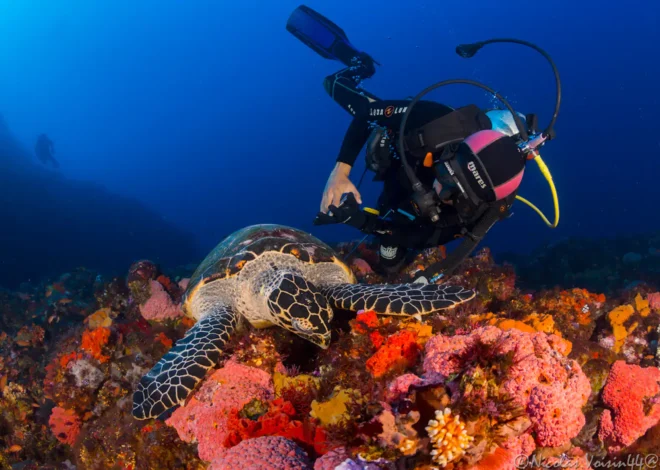
Indonesia is often described as the world’s crown jewel of scuba destinations. With its location in the heart of the Coral Triangle, the country offers unmatched marine biodiversity, crystal-clear waters, and unforgettable underwater encounters. However, before you pack your bags and book a diving cruise, it’s important to understand the basics of diving in Indonesia. From entry requirements to dive certifications, equipment needs, and safety guidelines, being well-prepared ensures your trip is both enjoyable and safe.
Entry Requirements for Divers Traveling to Indonesia
Before stepping into the water, you need to clear the paperwork on land. Indonesia has specific entry requirements based on your nationality and the length of your stay.
- Visa Options: Many travelers can enter visa-free for short visits (up to 30 days). However, if you plan a more extended diving holiday, a Visa on Arrival or tourist visa extension is often necessary.
- Passport Validity: Your passport must be valid for at least six months from the date of your entry.
- Travel Insurance: Though not always mandatory, comprehensive travel insurance that covers diving activities is strongly recommended.
Additionally, if you are carrying personal dive equipment, check airline regulations and Indonesian customs rules for baggage allowances to avoid extra fees.
Dive Certifications: What’s Required?
While some sites in Indonesia are beginner-friendly, the country is home to advanced dive spots with strong currents, deep walls, and drift dives. Certification requirements vary by dive operator and location:
- Beginner-Friendly Locations: Areas like Bali’s Tulamben or the Gili Islands are perfect for Open Water certified divers.
- Advanced Diving: Sites in Komodo, Raja Ampat, or the Banda Sea often require Advanced Open Water or higher certifications.
- Special Certifications: Nitrox (Enriched Air) certification is highly recommended, as many liveaboards and dive shops offer Nitrox for more extended and safer dives.
If you’re new to diving, Indonesia is also an excellent place to earn your first certification, with plenty of reputable dive schools offering internationally recognized courses (PADI, SSI, NAUI).
Essential Dive Gear for Indonesia
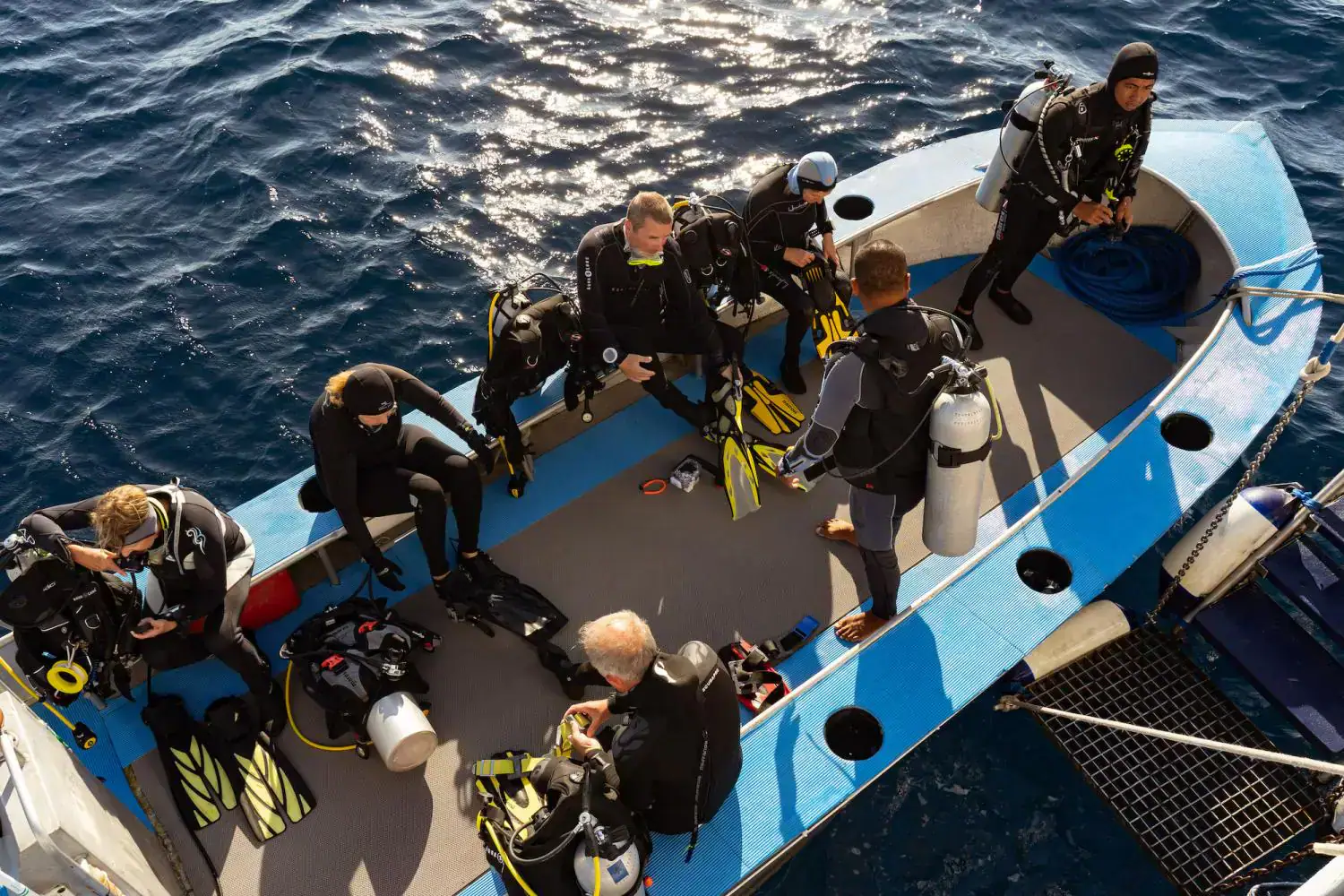
Bringing your own equipment is ideal, but not mandatory, as most dive centers provide quality rental gear. Here’s what to consider:
- Wetsuit: A 3mm wetsuit is usually sufficient in Bali or the Gili Islands, but in areas like Komodo or Alor, waters can be calmer pack a 5mm suit.
- Dive Computer: Strongly advised, as conditions often involve drift dives or multiple dives per day.
- Reef-Safe Sunscreen: Protect Yourself and the Fragile Marine Environment.
- Underwater Camera: From pygmy seahorses to manta rays, you’ll want to capture the breathtaking biodiversity of the underwater world.
If you do rent, double-check the equipment’s condition and fit before heading out.
Safety Considerations While Diving in Indonesia
Safety should always come first when planning your dive holiday. Indonesia offers incredible rewards, but conditions can be unpredictable.
- Currents: Many sites, especially in Komodo and Nusa Penida, feature strong currents. Always listen to your dive guide and never exceed your limits.
- Medical Facilities: Remote locations like Raja Ampat have limited medical infrastructure. Ensure you have dive accident insurance that covers emergency evacuation.
- Dive Operators: Choose operators with certified dive professionals, well-maintained boats, and strong safety reputations. Reviews and recommendations can help guide your choice.
- Environmental Awareness: Avoid touching corals or disturbing marine life. Responsible diving helps preserve Indonesia’s underwater ecosystems for future generations.
Whether you’re seeking manta rays in Komodo, colorful reefs in Raja Ampat, or macro critters in Lembeh, diving in Indonesia is an adventure of a lifetime. By preparing in advance understanding entry requirements, securing the right certifications, bringing or renting reliable gear, and prioritizing safety—you can focus on what truly matters: experiencing one of the most extraordinary marine environments on Earth.