Japan Itinerary Tokyo for a Memorable First Visit
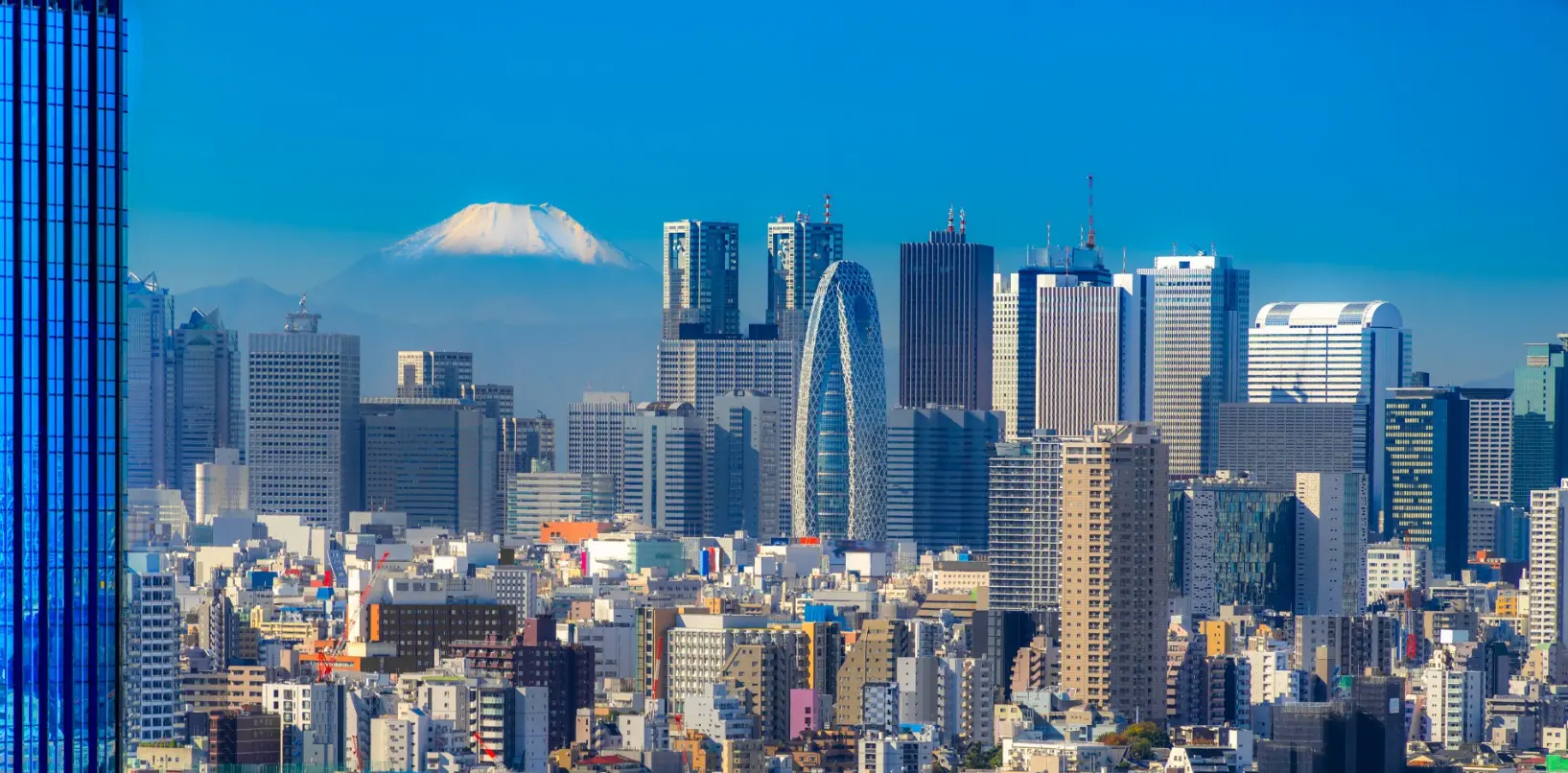
Tokyo is often the first destination travelers include when planning a trip to Japan. As the country’s vibrant capital, it blends centuries-old traditions with futuristic architecture, world-class dining, peaceful gardens, and energetic shopping districts. Whether you’re visiting Japan for the first time or returning to explore more, Tokyo offers countless experiences that deserve several days on your itinerary.
Creating a realistic travel plan can help you enjoy more attractions without feeling rushed. If you’re organizing a longer journey across the country, this comprehensive Japan itinerary provides useful guidance for planning destinations beyond Tokyo while keeping your schedule balanced.
Why Tokyo Should Be Part of Every Japan Itinerary
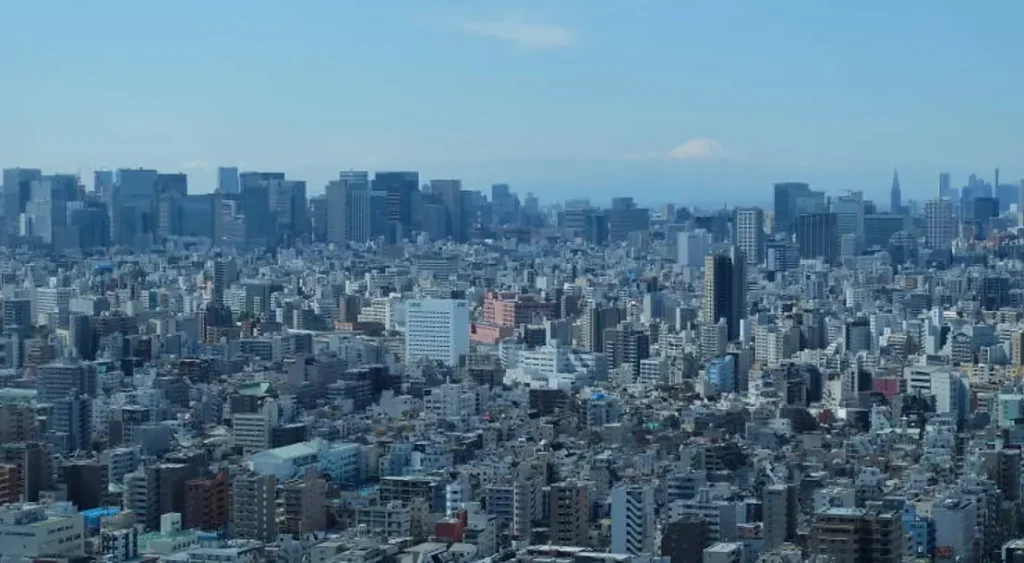
Tokyo is much more than Japan’s largest city. Every district offers its own personality, allowing visitors to experience traditional culture, modern entertainment, exceptional cuisine, and relaxing green spaces all within the same trip. Spending several days here provides enough time to appreciate the city’s remarkable diversity.
Explore Historic Neighborhoods
Although Tokyo is famous for its modern skyline, many neighborhoods preserve the city’s cultural heritage. Walking through these areas offers a glimpse into Japan’s history while remaining close to contemporary attractions.
- Senso-ji Temple in Asakusa
- Meiji Jingu Shrine
- Imperial Palace East Gardens
- Yanaka Historic District
- Nezu Shrine
Read Also:
Japan Cultural Experiences
Experience Tokyo’s Modern Attractions
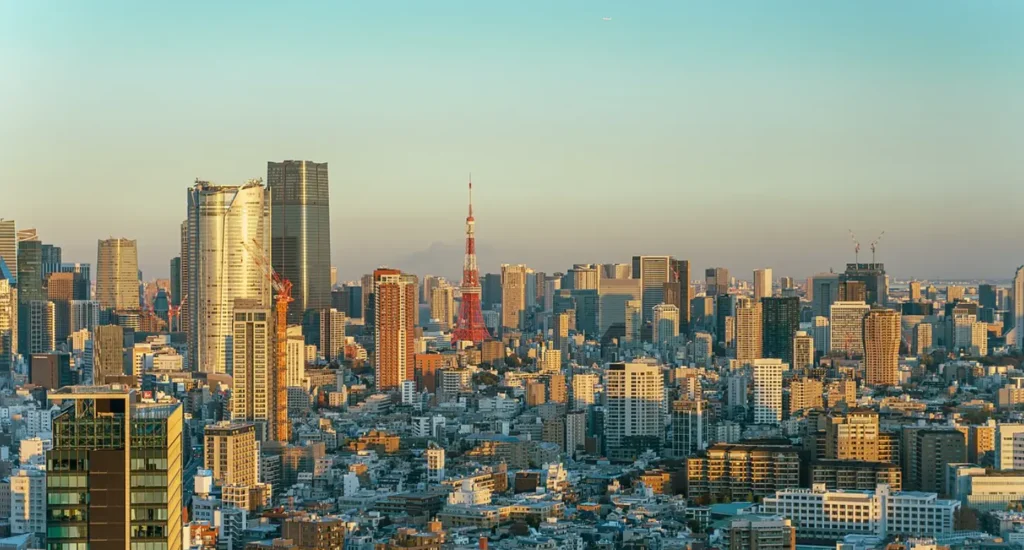
Tokyo also showcases Japan’s innovative spirit through its skyscrapers, entertainment centers, observation decks, and shopping districts. Exploring these neighborhoods reveals why the city is considered one of the world’s leading urban destinations.
- Shibuya Crossing
- Tokyo Skytree
- Tokyo Tower
- Odaiba Waterfront
- Akihabara Electric Town
- Ginza Shopping District
Read Also:
Explore Tokyo
Enjoy Local Food Throughout the City
No Tokyo itinerary is complete without experiencing its incredible food scene. From casual ramen shops and sushi counters to traditional izakayas and modern cafés, visitors can enjoy authentic Japanese cuisine at nearly every corner of the city.
- Sushi
- Ramen
- Yakitori
- Tempura
- Tonkatsu
- Japanese desserts
Read Also:
Tokyo Street Food Guide
A Suggested Three Day Tokyo Itinerary
If this is your first visit, three days offers a comfortable introduction to Tokyo’s diverse neighborhoods. The following itinerary balances historical attractions, modern landmarks, shopping, and local dining while leaving room for spontaneous discoveries.
Day One Discover Tokyo’s Historic Side
Start your morning in Asakusa by visiting Senso-ji Temple before exploring Nakamise Shopping Street. Continue to Ueno Park in the afternoon to enjoy museums, seasonal flowers, or a relaxing walk. Finish the day by watching the sunset from Tokyo Skytree, where panoramic views reveal the scale of Japan’s largest city.
Read Also:
Best Places to Visit in Japan
Continue Your Tokyo Journey Beyond the Famous Landmarks
After exploring Tokyo’s historic attractions, it’s time to experience the city’s vibrant neighborhoods that showcase modern Japanese culture. Each district has its own unique character, making it easy to spend an entire day discovering new places, local cafés, shopping streets, and entertainment venues. Mixing well-known attractions with quieter neighborhoods creates a more balanced itinerary and helps you experience different sides of Tokyo.
Day Two Experience Shibuya Harajuku and Shinjuku
Begin your second day in Shibuya, home to one of the world’s busiest pedestrian crossings. Arriving early allows you to explore before the crowds become larger. Besides the famous intersection, the area offers shopping malls, observation decks, stylish cafés, and plenty of opportunities for people watching.
Continue your journey to nearby Harajuku, where fashion, creativity, and youth culture come together. Takeshita Street is packed with colorful boutiques, dessert shops, and unique souvenirs, while Omotesando offers a more sophisticated shopping experience lined with designer stores and modern architecture.
In the evening, head to Shinjuku. This district comes alive after sunset with illuminated skyscrapers, restaurants, entertainment venues, and panoramic city views from the Tokyo Metropolitan Government Building, where the observation deck can be visited free of charge.
- Visit Shibuya Crossing early in the morning.
- Explore Hachiko Statue and nearby shopping streets.
- Walk through Takeshita Street in Harajuku.
- Relax along Omotesando Avenue.
- Finish the evening in Shinjuku.
Read Also:
Explore Tokyo
Day Three Visit Odaiba and Tokyo Bay
Spend your final day exploring Tokyo Bay. Odaiba offers a completely different atmosphere compared to central Tokyo, featuring spacious waterfront promenades, shopping complexes, museums, entertainment facilities, and beautiful views across the bay.
The area is perfect for travelers who prefer a slower pace after spending the previous days walking through busy city districts. Families, couples, and solo travelers can all enjoy the relaxed environment while still having access to plenty of attractions.
- Rainbow Bridge viewpoints.
- DiverCity Tokyo Plaza.
- teamLab attractions.
- Aqua City Odaiba.
- Tokyo Bay waterfront promenade.
Read Also:
Best Places to Visit in Japan
Practical Tips for Planning Your Tokyo Itinerary
A well-organized itinerary allows you to spend more time enjoying attractions instead of navigating transportation or deciding what to do next. Tokyo’s public transportation system is efficient, making it possible to visit multiple neighborhoods in a single day with proper planning.
Choose Accommodation Near Major Train Stations
Staying near stations such as Tokyo, Shinjuku, Ueno, or Shibuya makes it easier to reach most attractions without spending too much time commuting. Convenient access to JR and subway lines can significantly improve your travel experience, especially if you plan day trips outside the city.
Read Also:
Luxury Hotel in Japan for Couples
Travel Outside Peak Hours
Tokyo trains become extremely busy during weekday rush hours. If possible, schedule your sightseeing after the morning commute and avoid returning during the busiest evening period. This small adjustment can make your journey much more comfortable.
Read Also:
Japan Family Travel
Allow Time for Unexpected Discoveries
One of the best experiences in Tokyo often comes from exploring side streets, neighborhood cafés, local markets, and parks that aren’t listed in every travel guide. Leaving some flexibility in your schedule allows you to discover places that make your trip feel more personal and memorable.
Read Also:
Things to Do in Japan Kyoto
Seasonal Experiences That Make Every Tokyo Trip Different
One of the reasons many travelers return to Tokyo is that the city changes dramatically throughout the year. Each season offers unique scenery, festivals, and activities, meaning no two visits feel exactly the same. Choosing the right travel period can help you experience Tokyo from a completely different perspective.
Spring Brings Cherry Blossoms Across the City
Spring is one of the most popular times to visit Tokyo. Parks, riversides, and gardens become covered with cherry blossoms, creating beautiful landscapes that attract visitors from around the world. Popular viewing spots include Ueno Park, Shinjuku Gyoen, Chidorigafuchi, and Sumida Park. Since this is also one of the busiest travel seasons, booking accommodation and transportation well in advance is highly recommended.
Read Also:
Best Time to Visit Japan
Summer Offers Festivals and Fireworks
Although summer can be warm and humid, it is also festival season throughout Tokyo. Visitors can enjoy traditional matsuri, colorful yukata, food stalls, cultural performances, and spectacular fireworks displays. Evening events provide a lively atmosphere that showcases another side of Japanese culture.
Read Also:
Japan Cultural Experiences
Autumn and Winter Have Their Own Appeal
Autumn transforms Tokyo’s parks into landscapes filled with vibrant red, orange, and golden leaves, while winter brings festive illuminations, seasonal markets, and crisp weather that is ideal for sightseeing. These quieter seasons are often preferred by travelers who want pleasant temperatures and fewer crowds compared to spring.
Read Also:
Best Places to Visit in Japan
Conclusion
A well-planned Tokyo itinerary allows you to experience the city’s incredible diversity, from centuries-old temples and peaceful gardens to futuristic skylines, world-class shopping, and unforgettable dining. Spending at least three days gives you enough time to explore Tokyo’s most iconic neighborhoods while still leaving room for spontaneous discoveries that often become the highlight of any trip.
If Tokyo is just one destination on your adventure, organizing the rest of your trip is equally important. Following a complete Japan itinerary can help you connect Tokyo with other remarkable destinations across the country, making your journey more efficient and enjoyable from start to finish.
Frequently Asked Questions
How many days should I spend in Tokyo?
Three to five days is ideal for first-time visitors. This provides enough time to experience historical attractions, modern districts, shopping, local cuisine, and a few hidden neighborhoods without rushing.
What is the best area to stay in Tokyo?
Popular areas include Shinjuku, Shibuya, Ueno, Ginza, and Tokyo Station. Staying near major train stations makes it easier to reach attractions across the city.
Is Tokyo easy to explore using public transportation?
Yes. Tokyo has one of the world’s most efficient railway and subway networks. Most major attractions are easily accessible using public transportation, making it convenient for international visitors.
Can I visit Tokyo on a budget?
Absolutely. While Tokyo offers luxury experiences, the city also has affordable accommodations, budget-friendly restaurants, free observation decks, public parks, temples, and museums that allow travelers to enjoy the city without overspending.

Related Posts

North to South: What Changes When Diving Komodo?
日本のおすすめランチスポットを厳選!絶品ランチ体験ガイド